


Why Some Websites Generate Leads — And Others Don’t
Ever wondered why some websites consistently bring in enquiries, while others just… exist?
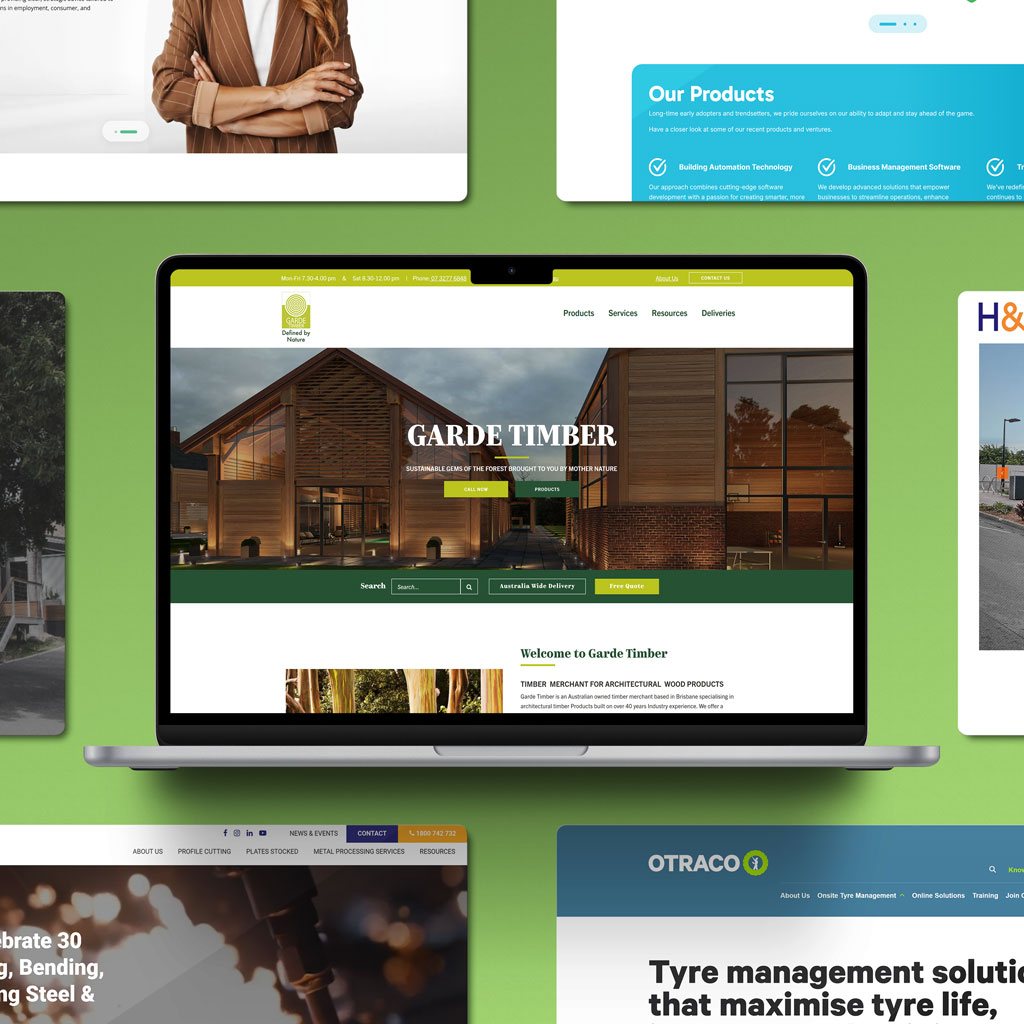
After working on and optimising more than 1,000 websites, one pattern shows up every time: high-performing websites aren’t defined by how they look — they’re defined by how they work.
It’s easy to assume that a sleek design is the key to success. And while aesthetics matter, they’re only one piece of a much bigger puzzle. The real difference lies in the details — the structure, the strategy, and the systems working behind the scenes.
It Starts With Purpose, Not Just Design
A common mistake is treating a website like a digital brochure. Something that “represents the brand” but doesn’t actively do anything.
High-performing websites are built differently. Every page, every section, and every click has a purpose. Whether it’s capturing a lead, booking a call, or guiding a visitor to the next step — nothing is accidental.
A redesign shouldn’t just make your site look better. It should make it *work better*.

Structure Drives Conversions
Think of your website like a guided journey. If visitors land on your homepage and don’t immediately know what to do next, they’ll leave.
Effective websites are structured around clear goals:
- Clear messaging above the fold
- Logical content flow that builds trust
- Strategic calls-to-action placed at the right moments
- Minimal friction between interest and enquiry
It’s not about adding more — it’s about aligning everything with a specific outcome.
SEO From Day One — Not an Afterthought
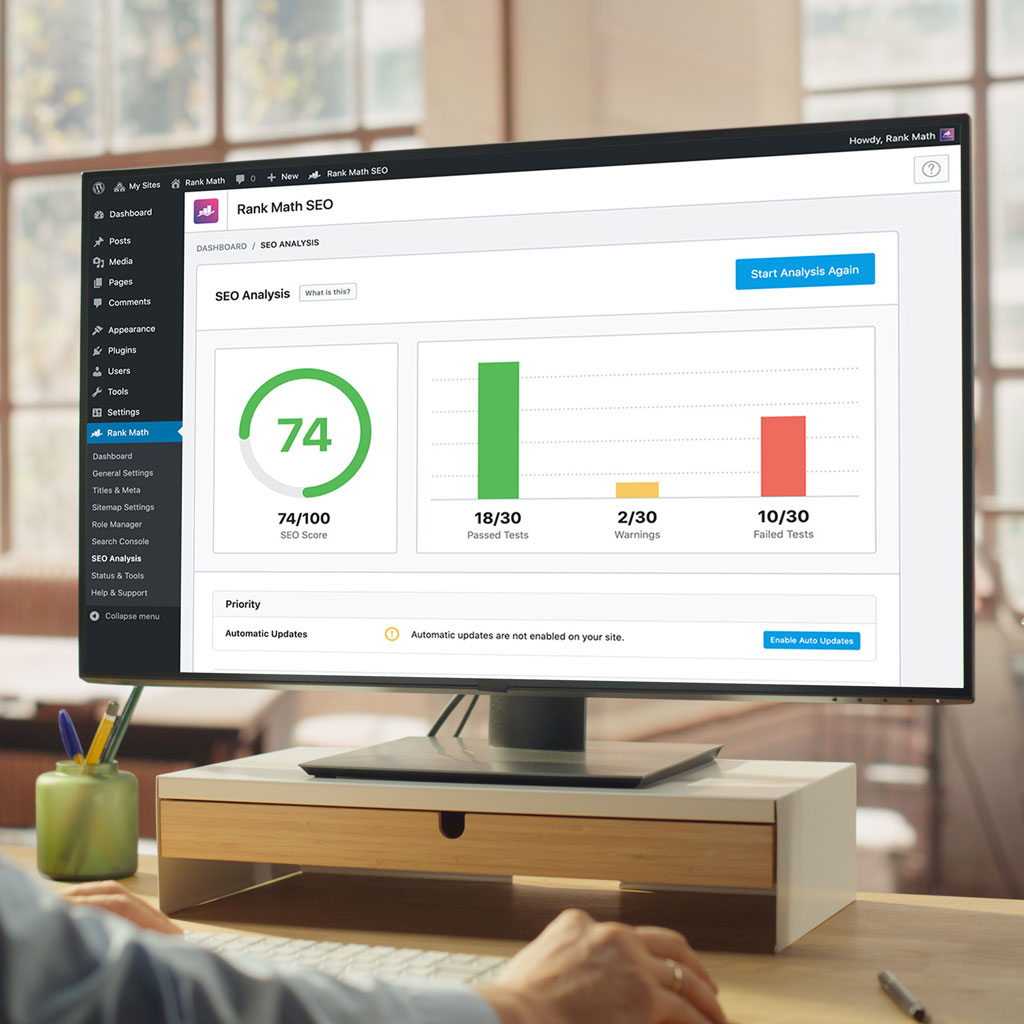
Search engine optimisation isn’t something you “add later.” It should be baked into the foundation of your site from the beginning.
That means:
- Structuring pages around real search intent
- Optimising technical performance (speed, mobile usability, indexing)
- Creating content that answers the questions your audience is already searching
When SEO is integrated from day one, your website doesn’t just exist — it gets found.
Your Website Should Be a Data Engine
If you’re not tracking performance, you’re guessing.
High-performing websites are backed by a full data stack. Tools like analytics and search tracking aren’t just nice to have — they’re essential for understanding what’s working and what isn’t.
With the right setup, you can:
- See where your leads are coming from
- Understand how users interact with your site
- Identify drop-off points and opportunities for improvement
- Continuously optimise based on real behaviour
This is how websites evolve from static assets into growth tools.

Performance Over Appearance
At the end of the day, the goal isn’t just to have a website that looks impressive — it’s to have one that delivers results.
The best-performing websites strike a balance:
- Professional, credible design
- Strategic structure
- Built-in SEO
- Data-driven optimisation
When all of these elements work together, your website becomes more than a presence — it becomes a platform for generating consistent enquiries.

Curious how your website stacks up?
If you want to see how a high-performing website is structured — and where yours might be falling short — reach out and ask for a review.